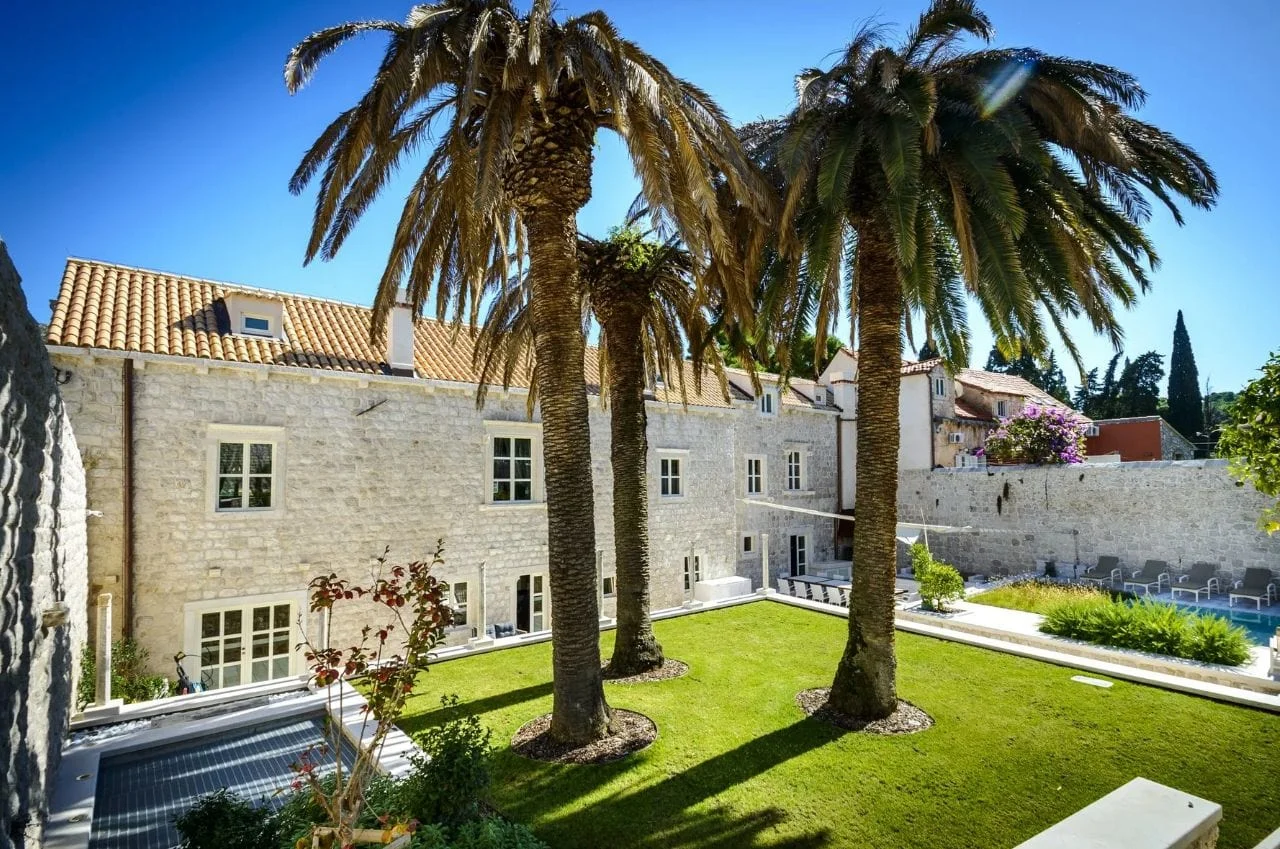
 For sale
Price on request
House for Sale in Dubrovnik, Croatia
450 m²
Dubrovnik, Croatia
Croatia's top-priced market alongside Split: a walled UNESCO city with few year-round rentals and new limits on holiday lets.
13 for sale and 0 to rent in our listings today.
For salePrice on request
450 m²
Dubrovnik, Croatia
 For sale
Price on request
9 bed309 m²
Dubrovnik, Croatia
 For sale
Price on request
Dubrovnik, Croatia
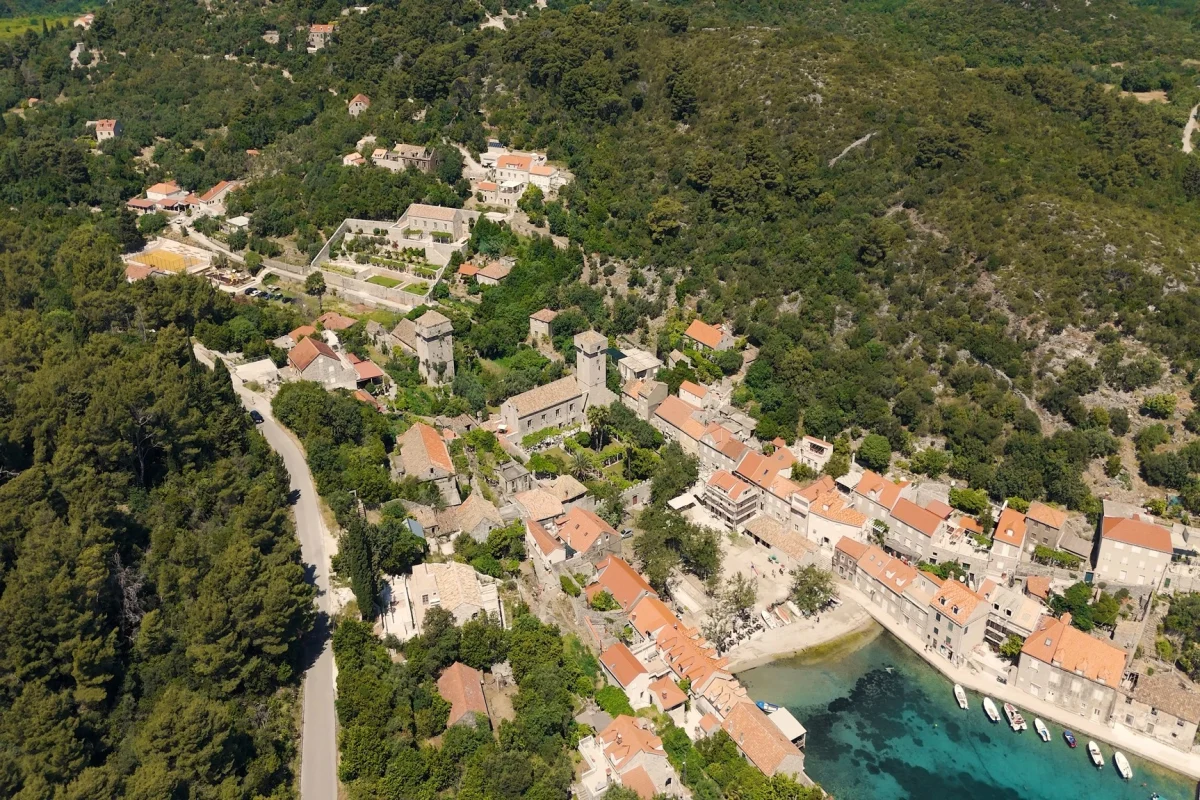 For sale
Price on request
100 m²
Dubrovnik, Croatia
 For sale
$1,687,760
300 m²
Dubrovnik, Croatia
 For sale
$2,250,347
1 bed
Dubrovnik, Croatia
 For sale
$1,451,474
6 bed7 bath830 m²
Dubrovnik, Croatia
 For sale
$2,475,381
400 m²
Korčula, Croatia
 For sale
$2,362,864
Dubrovnik, Croatia
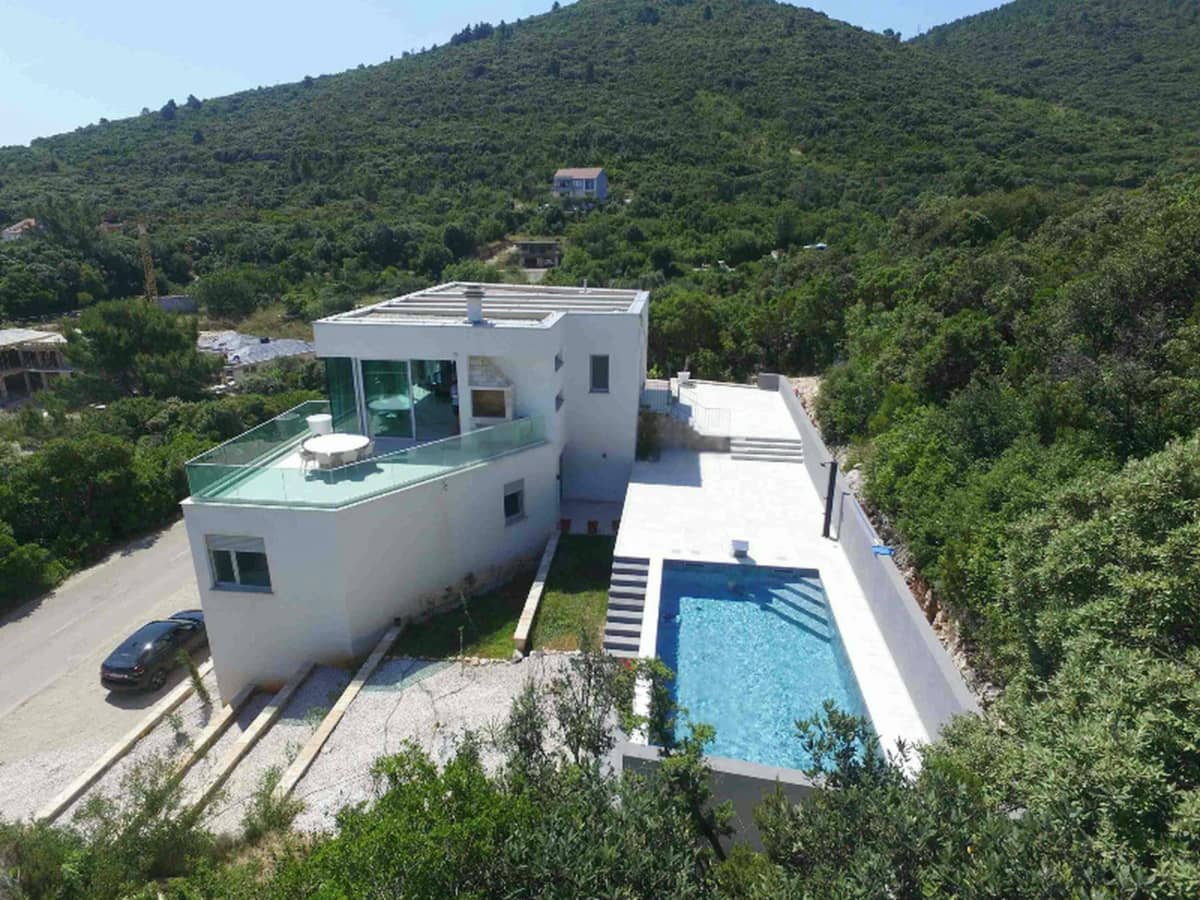 For sale
$2,700,416
400 m²
Korčula, Croatia
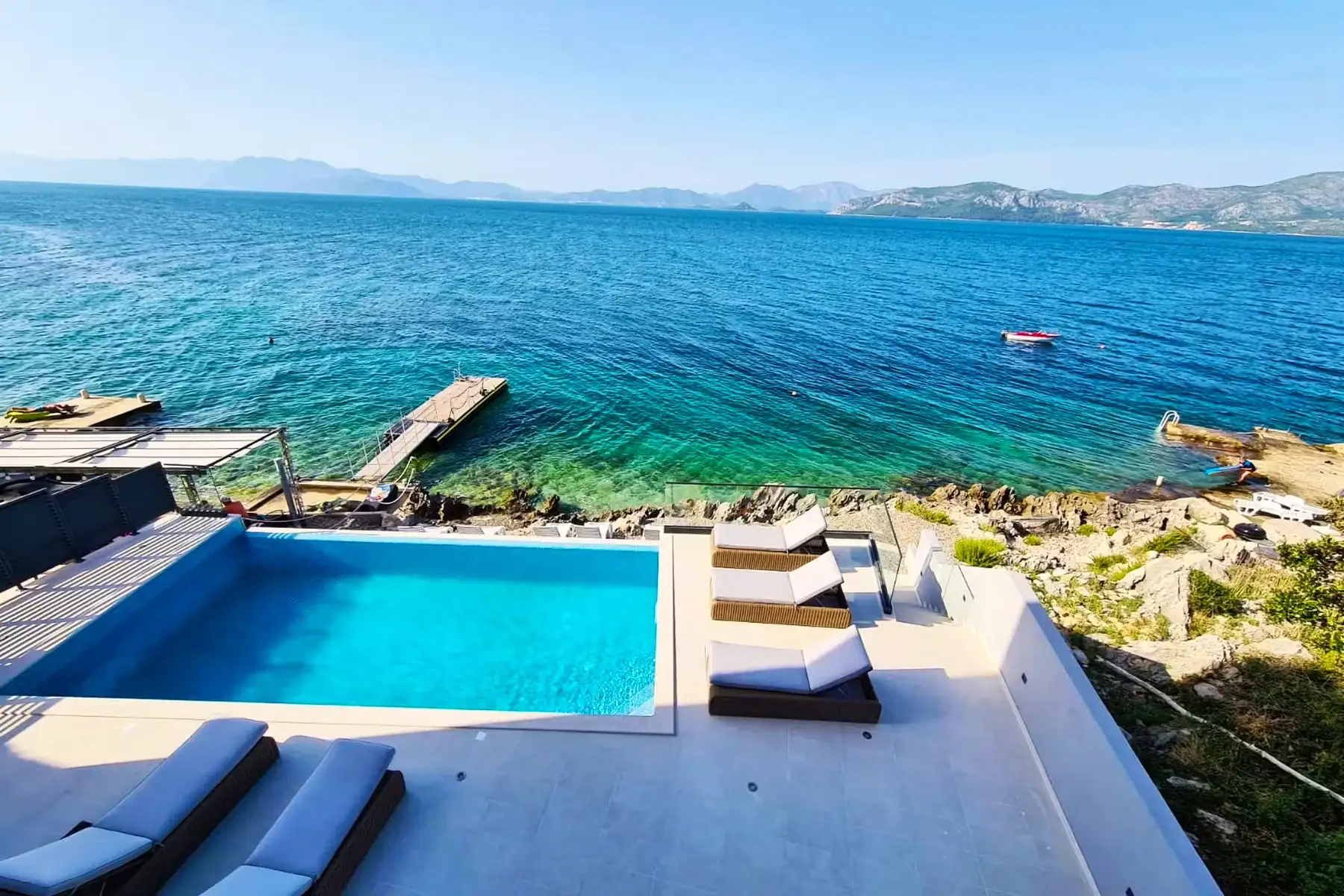 For sale
$2,383,384
440 m²
Dubrovnik, Croatia
 For sale
$2,250,347
3 bed3 bath1,240 m²
Dubrovnik, Croatia
All homes for sale in Dubrovnik All homes to rent in Dubrovnik Ask the agent
Dubrovnik is a small city with a very big summer. About 42,000 people live here, yet the airport handled 3.1 million passengers in 2025, with August around 27 times busier than January. Summers are crowded; winters are quiet, with far fewer flights.
It suits people who can live with the seasons: remote workers, retirees, second-home owners and families with work here. The catch is price and supply. Asking prices average about €5,100 per m², close to Split's at the top of the Croatian market, and so many flats are let to tourists that a year-round rental is the hardest thing to find.
Asking rents for about 75 m² on long-term lets. Ranges, not quotes.
About 1,200 residents live inside the walls alongside nearly 4,000 tourist beds (2023). Flats are in old stone houses, often small, car-free and up steep steps. It suits buyers who want history more than convenience. Prices are the city's highest, and long-term lets are rare.
Price per m²: €6,000–9,000Homes for sale hereHomes to rent hereAsk the agent
Ploče runs east from the Old Town past Banje beach, with sea-view flats and villas on the slope above, a short walk from Ploče Gate. Streets are steep and parking scarce, and the best views sell for close to Old Town prices.
Price per m²: €5,500–9,000Homes for sale hereHomes to rent hereAsk the agent
Pile, at the western gate, is the bus hub where most city lines start or end; Boninovo and Kono above it are mainly residential. It suits people without a car, though it lies inside the summer traffic zone. Prices sit below the Old Town but above the city average.
Price per m²: €5,000–7,500Homes for sale hereHomes to rent hereAsk the agent
Lapad suits families: a peninsula of flats and houses around a pedestrian promenade and the bay at Uvala Lapad, with its own market, beaches and frequent buses. Prices are around the city average, higher for sea views.
Price per m²: €4,500–6,500Homes for sale hereHomes to rent hereAsk the agent
Babin Kuk, at the tip of the Lapad peninsula, mixes large hotels and beaches with flats and houses on the slopes. It is quiet out of season and full of hotel guests in summer. Prices are similar to Lapad.
Price per m²: €4,300–6,300Homes for sale hereHomes to rent hereAsk the agent
Gruž is the working harbour, with the ferry port, the main bus station and a market and fish market. It is practical rather than pretty, but prices are among the lowest of the central districts, so renters should look here.
Price per m²: €3,800–5,300Homes for sale hereHomes to rent hereAsk the agent
Mokošica and Nova Mokošica, north-west of the centre on the Rijeka dubrovačka inlet, are largely residential suburbs with more space for the money and direct buses to Pile. Flats in Mokošica sold for about €3,300 per m² on average in 2025.
Price per m²: €3,000–4,200Homes for sale hereHomes to rent hereAsk the agent
Župa dubrovačka is a separate municipality south-east of the city, with seaside villages such as Srebreno, Mlini and Kupari. Families come for space, beaches and lower prices, at the cost of a commute. Asking prices average about €3,350 per m².
Price per m²: €3,300–5,000Homes for sale hereHomes to rent hereAsk the agent
Cavtat is a small harbour town in Konavle, south-east of the city and close to the airport. It suits people who work from home or fly often, but daily life needs a car or the suburban bus. Konavle's asking prices average about €3,400 per m², with Cavtat's seafront well above.
Price per m²: €4,000–6,500Homes for sale hereHomes to rent hereAsk the agent
Tax data compiled by the city show just 138 flat leases registered in 2025. Asking rents averaged €13.53 per m² in September 2026, about €950 a month for a 70 m² flat; expect €900–1,500 for two bedrooms, depending on area and view.
Many owners earn more from a summer of tourists than from a year of rent, and some offer only an off-season let, from autumn to late spring. Ask on the first call whether the lease runs through July and August, and get the dates in writing. Start early: tenant demand peaks from March to June. One argument is on your side: a home let for at least 10 months a year as someone's permanent residence is exempt from the €5 per m² property tax, worth €350 a year on 70 m².
Much of the stock was fitted out for tourists, so expect many flats to come furnished. Look on portals such as Njuškalo and Index oglasi and with local agencies, or start with [a search for flats to rent in Dubrovnik](search:2-bedroom flat to rent in Dubrovnik).
Asking prices averaged €5,105 per m² in September 2026, 5% up on a year earlier. Prices actually paid are lower: the 156 flats sold in 2025 averaged €4,016 per m². Luxury new builds are advertised at over €10,500 per m².
Get an OIB
Apply for this tax number at the Tax Administration office where the property is, in person or through a representative, or online via e-Građani if you are an EU or EEA citizen.
Check the title
The land registry extract is the only proof of ownership; for newer buildings, also ask for the building and use permits.
Sign a notarised pre-contract
The deposit (kapara) is usually 10%: you lose it if you pull out, and the seller repays double if they do.
Sign the sale contract before a notary
Have your own lawyer check it. Ownership passes on entry in the land registry.
Pay the transfer tax
The notary reports the sale within 30 days, and you pay within 15 days of the tax decision.
| Cost | Amount | Notes |
|---|---|---|
| Transfer tax | 3% | Resale homes; the buyer pays |
| VAT | 25% | New builds, instead of transfer tax |
| Agency fee | Agreed in writing | Ask who pays and whether VAT is added |
| Lawyer | Agreed in advance | Fixed fee or percentage |
| Notary and land registry | Ask for a quote | Certification and registration |
Run your numbers with the buying costs calculator.
Citizens of EU countries, Iceland, Liechtenstein and Norway buy as Croatians do; Swiss citizens need no consent but must show registered temporary residence. Everyone else needs consent from the Ministry of Justice, Administration and Digital Transformation, given only where your country grants Croatians the same right. UK citizens and those of most US states qualify; Canadians face limits on homes until 31 December 2026, and Australians on existing homes until 31 March 2027. You apply after signing, with the contract and a planning certificate, and the ministry publishes no deadline, so allow for the wait. Non-EU buyers cannot buy agricultural land.
Each bank sets its own terms for non-residents, so get a written loan offer before the pre-contract or you risk losing the deposit. Property tax is €5 per m² of useful floor area a year unless the home is your permanent residence or let long-term, and flats in shared buildings also pay monthly into the building reserve fund (pričuva).
Since 2025, a new short-term let of a flat in a shared building needs written consent from owners of two-thirds of the building plus every owner whose flat adjoins yours. Consent lasts at least five years and binds later buyers; existing lets must get it by the end of 2029. Hosts pay a flat tax per bed set by the city (€100–300 a year in the top band), tourist tax and property tax. The Tax Administration describes the private-host scheme for EU and EEA nationals, so others should ask a lawyer how they could let.
In May 2024 the city adopted an Old Town plan and carrying-capacity study as the basis for limiting tourist beds there, so do not buy in the Old Town counting on a new licence. A proposed new Hospitality Act, planned for 1 January 2027, would add a registration number for every unit advertised online.
| School | Curriculum | Ages | Where |
|---|---|---|---|
| American International School of Zagreb | US curriculum, IB Diploma | Pre-K to grade 12 | Zagreb |
| King's InterHigh | British (IGCSE, A level) or IB Diploma | 7–19 | Online |
| Wolsey Hall Oxford | Cambridge (IGCSE, A level), home study | 4–18 | Online |
| Pearson Online Academy | US curriculum | K to grade 12 | Online |
We could not find an international or bilingual school in Dubrovnik, and Zagreb is too far for a daily journey, so families choose between state schools, online schools and boarding. State schools teach in Croatian and charge no tuition; contact the school for your address early and ask about Croatian-language support.
Croatia's chains range from discounters such as Lidl and Kaufland to mid-priced supermarkets such as Konzum, Tommy, Plodine and Spar, plus Studenac's small neighbourhood shops. In Dubrovnik, Studenac has shops in several districts and Tommy delivers for €2.65, free over €55. Konzum's delivery does not reach Dubrovnik, and the nearest Plodine is in Ston.
For fish, fruit and vegetables, use the city markets at Gruž (with a fish market), Lapad and the Old Town's Gundulićeva poljana, with fish at the Peskarija. All open Monday to Saturday, 06:00–13:00. Shops close on Sundays and public holidays, except on the 16 Sundays a year each retailer may choose and at the airport, ports, the bus station, petrol stations and hotels; online orders are allowed. Housing and parking are the big costs; a monthly city bus pass is €46.45.
Libertas runs the buses. A single costs €2.50 from the driver and less from kiosks (a one-hour ticket is €1.73); a 24-hour ticket is €5.31. Monthly passes for Župa and Konavle (including Cavtat) cost €53.09 and €79.63.
Driving is harder. From April to October a controlled zone around the Old Town admits cars only with prior approval. The priciest parking zone costs €20 an hour from May to October and ordinary zones €1.30 an hour from March to November, and the cheap resident card needs more than two years of registered residence, so a flat with parking is worth paying for.
The airport at Čilipi is 22.5 km away, 30–35 minutes by road and up to an hour in summer. The Platanus shuttle costs €10 (€15 return) to Ploče Gate and Gruž, and Libertas lines 11, 27 and 38 also run there.
The Pelješac Bridge, open since 2022, takes you north without crossing Bosnia and Herzegovina at Neum; the old road through Neum crosses the EU's external border twice, so carry passports. Jadrolinija ferries from Gruž serve the Elafiti islands, and the Bari ferry is suspended until 21 October 2026.
EU and EEA citizens can stay three months, then register temporary stay at the police station for their address within eight days. The certificate is free, a residence card costs €13.27, and permanent stay follows after five years.
Everyone else needs a temporary stay permit for a set purpose, such as work, family, study or remote work, granted for up to a year at a time (18 months for digital nomads); owning property does not count. Apply at a Croatian consulate, or at the police if you do not need a visa (about €88 in fees there, including the card). Report your address to the police within three days of arriving.
The digital nomad permit, for non-EU remote workers with a foreign employer or company, lasts up to 18 months and needs income of €3,622.50 a month (or €43,470 saved for a year), health insurance and a clean criminal record. You can apply online.
In your first weeks:
Yes, but supply is thin. Start early and confirm in writing that the lease covers July and August.
Usually yes. UK citizens and citizens of most US states qualify through reciprocity, but you need ministry consent, which you apply for with the signed contract.
You need a permit and, in a shared building, written consent from owners of two-thirds of the building plus your adjoining neighbours. Do not count on a new licence in the Old Town.
€5 per m² a year in Dubrovnik (2026), about €350 for a 70 m² flat, unless it is your permanent home or let for 10 months or more to someone who lives there.
Not in the centre, Lapad, Gruž or Mokošica, which have direct buses. In Župa or Cavtat a car helps, but parking near the Old Town is scarce and expensive.
We could not find one. Families use Croatian state schools or online schools.
Rents and prices are asking prices from public reports and portals, checked October 2026. Sources: nekretnine.hr, average asking prices and rents, City of Dubrovnik; nekretnine.hr, average asking prices and rents, Župa dubrovačka; nekretnine.hr, average asking prices, Konavle; Grad Dubrovnik, Izvješće o tržištu nekretnina 2025 (sales and leases from Tax Administration data); Ministry of Spatial Planning, Construction and State Property and EIZG, Pregled tržišta nekretnina 2024 i 2025; Regent, Where to buy rental property in Croatia 2026 (Dubrovnik long-term rents); investropa, Dubrovnik housing prices by neighbourhood (cross-check only)
A fair range for a long-term rental, from current asking rents per m² in each neighbourhood. Owners can use it too, to price a home before letting it.
Fair rent for this home
Based on current asking rents per m² for long-term lets (see the city guide for sources). Furnished adds about 10%, a terrace about 5%. Actual rents depend on the floor, light, view and building.
Flag G: "I require a pilot."
Tell us what you are looking for and where. A local expert from our network will reply, usually within one working day. It's free and there's no obligation.